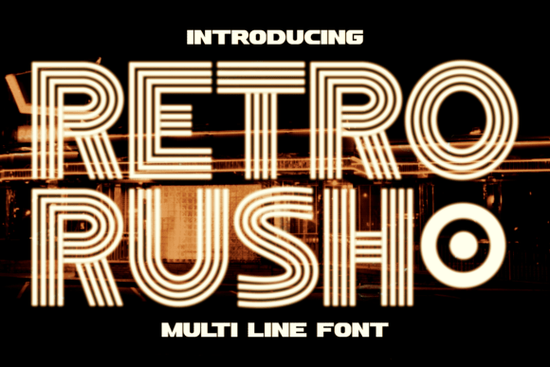
If you're looking for a display font that feels both nostalgic and fresh like stepping into a 1920s jazz club lit by neon tubes, then fast-forwarding to a sleek 1980s synthwave poster you’ll appreciate Retro Rush Font. It’s not just another retro typeface. Its multi-line structure gives letters depth and dimension, making headlines pop without needing extra effects or shadows. Designers and small business owners alike use it for projects where personality and clarity matter: think café signage, boutique packaging, wedding invitations with vintage flair, or social media banners for a local record store.
What makes Retro Rush different from other retro fonts?
Most retro-inspired fonts lean heavily into one era either the ornate curves of art deco or the sharp angles of 80s tech. Retro Rush bridges them thoughtfully. Each letter is symmetrical and geometric, but with subtle layering that mimics how real neon tubing bends and glows. That layered line design isn’t just decorative it creates natural contrast and visual weight, so text stays legible even at smaller sizes on digital screens or printed merch.
You’ll notice it works especially well against dark backgrounds, where its warm, glowing effect comes through most clearly. But it’s also versatile enough for light backgrounds when used with careful spacing and color pairing. Unlike some display fonts that feel overly playful or kitschy, Retro Rush keeps a sense of refinement ideal if you’re designing for luxury skincare brands, indie book covers, or high-end event stationery.
Where does Retro Rush fit in your design workflow?
It shines in roles where typography carries the message: logos (especially monogram-based or initials-only marks), movie title treatments, product labels, and editorial mastheads. Because it’s a display font not meant for body text it pairs beautifully with clean sans-serifs like Montserrat or Lato for balance. Try using it for a headline, then switch to a neutral secondary font for supporting copy.
If you’ve used Juicy Lemon Font for cheerful, summery projects or Fishtail Monogram Font for elegant personalization, you’ll find Retro Rush fills a distinct gap: structured energy with vintage soul. It’s less whimsical than Magic Unicorn Font, and more grounded than many script-based retro options making it a reliable choice when you need impact without sacrificing sophistication.
Who uses Retro Rush and why?
- Print-on-demand sellers use it for limited-run posters, enamel pins, and tote bags themed around retro cinema, vintage travel, or synth music categories where buyers respond to authentic-looking typography.
- Small cafés and boutiques apply it to window decals, menu boards, and loyalty cards because it reads quickly and feels memorable, helping local branding stand out on busy streets or Instagram feeds.
- Crafters and hobbyists choose it for handmade greeting cards, vinyl sticker sheets, and DIY party decor especially for milestone events like anniversaries or “roaring 20s” themed birthdays.
- Designers building brand identities reach for it when clients want heritage appeal without looking dated think a new craft brewery wanting nods to Prohibition-era typography, or a modern watchmaker referencing mid-century instrument dials.
It’s worth noting that while Retro Rush Font is optimized for display use, its OpenType features include standard ligatures and alternate characters giving you flexibility without needing design software plugins. You’ll get clean vector files (OTF and TTF) plus web-ready WOFF versions, so it works across Canva, Adobe apps, Cricut Design Space, and Silhouette Studio.
How to get the most out of Retro Rush
Start simple: try it at 48–72pt for posters or social banners, then adjust tracking (letter spacing) slightly tighter than default this helps the layered lines read as one cohesive shape. Avoid overloading layouts; since it’s bold and dimensional, one strong use per design usually has more impact than scattering it across multiple elements.
For color, stick to warm tones amber, burnt orange, deep rose to reinforce the neon glow effect. If you’re printing, test on matte vs. glossy stock: the font’s contrast holds up well on both, but glossy paper enhances the “lit” illusion.
Before finalizing, ask yourself: Does this feel intentional not just “retro,” but right for the audience and message? A font like Retro Rush Font works best when it supports storytelling, not distracts from it.
Quick checklist before downloading:
- ✔️ You need a display font not for paragraphs, but for headlines, logos, or focal text
- ✔️ Your project leans into 1920s elegance, 1980s futurism, or a blend of both
- ✔️ You value clean outlines, strong contrast, and easy-to-license commercial use
- ✔️ You’ve already tried lighter retro options and want something bolder and more structured
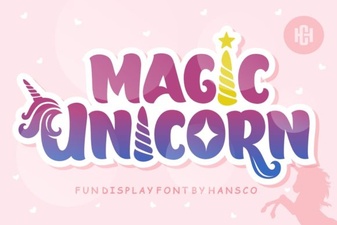 Magic Unicorn Font for Creative Design Projects
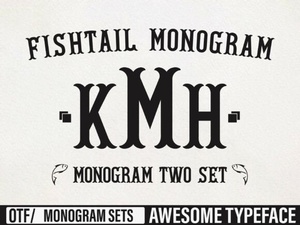 Design with Fishtail Monogram Font Styles
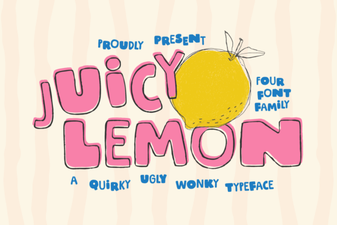 Juicy Lemon Font: a Fresh Design Resource
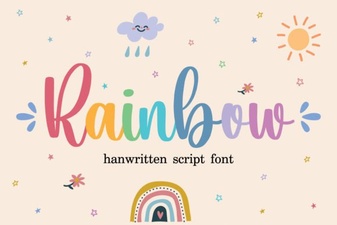 Design & Apply Custom Rainbow Font Styles
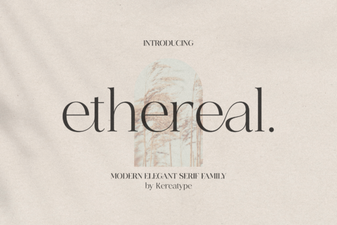 Designing with Ethereal Fonts: Elegant & User-Friendly Projects
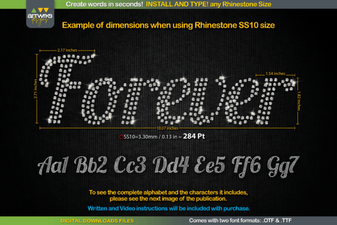 The Forever Font for Creative Design Projects