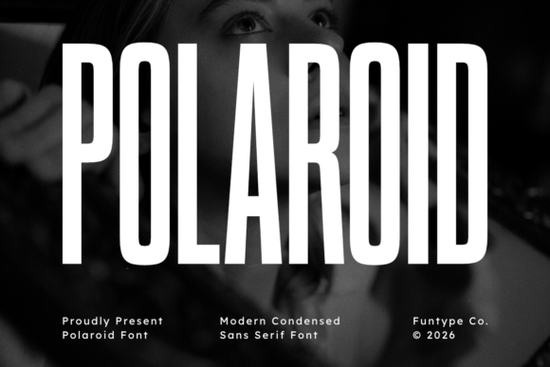
If you're looking for a bold, clean, and instantly recognizable typeface for headlines, packaging, or branding especially with a subtle retro-modern vibe the Polaroid Font is worth your attention. It’s not overly decorative or playful; instead, it’s a tightly spaced, tall, and confident condensed sans serif built for clarity and presence. Think of it as the kind of font that holds its own on a film poster, a minimalist t-shirt design, or a boutique product label without shouting, but still commanding attention.
When does Polaroid Font work best?
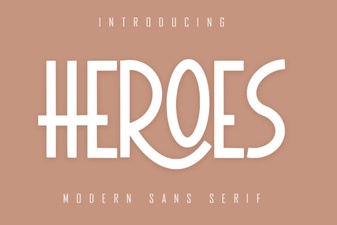
This font shines where space is limited but impact matters: magazine covers, social media banners, apparel tags, greeting card headers, and even laser-cut wood signs. Its narrow geometric structure and strong vertical contrast help letters stay legible at smaller sizes even when printed on textured paper or embroidered onto fabric. Because it’s designed as a display font (not for long paragraphs), it pairs well with simpler, more neutral body fonts like Heroes Font or Think Loved Font if you’re building a full typographic system.
It’s especially popular among print-on-demand sellers who want consistent, professional-looking designs across mugs, tote bags, and wall art. Unlike many trendy fonts that age quickly, Polaroid avoids gimmicks it feels both familiar and fresh, like something you’ve seen before but can’t quite place. That timelessness helps brands avoid looking dated just months after launch.
What’s included and how easy is it to use?
You get both OTF and TTF files, so whether you're working in Adobe Illustrator, Canva, Cricut Design Space, Silhouette Studio, or even Microsoft Word, installation is straightforward. No extra plugins or converters needed. The character set covers standard Latin letters, numerals, punctuation, and basic accented characters enough for most English-language projects and common European languages.
Because it’s a single-weight, single-style font (no italics or light/bold variants), it works best when used intentionally not as a default “go-to” for everything, but as a deliberate choice for moments that need visual weight. If you often layer text over photos or busy backgrounds, try using white or light-colored Polaroid Font with a subtle drop shadow or stroke. Its clean edges hold up better than rounded or script fonts in those situations.
How does it compare to similar fonts?
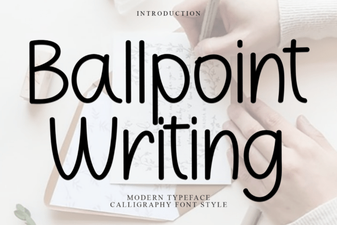
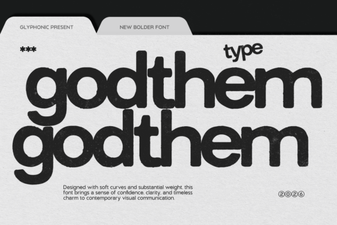
Compared to Ballpoint Writing Font, Polaroid is far more structured and less hand-drawn better for polished branding, less suited for casual journaling or handwritten vibes. Against Godthem Font, which leans into sharp, almost architectural angles, Polaroid feels softer in contrast and more balanced top-to-bottom. And unlike many ultra-thin or ultra-bold condensed fonts, Polaroid keeps its proportions grounded no awkward gaps or cramped spacing.
It’s also not a revival of 1970s Polaroid branding (despite the name). There’s no instant camera logo influence or lo-fi grain. Instead, it borrows just enough from mid-century modern typography clean lines, even rhythm, quiet confidence to feel nostalgic without being literal.
Real-world uses from Creative Fabrica users
- A small candle brand used Polaroid Font for their “Midnight Amber” scent label paired with charcoal-gray kraft paper and minimal line art.
- A film student created a series of mock movie posters for indie shorts, using Polaroid Font for titles and director names then exported to Instagram carousel posts with great readability.
- A hobbyist maker stitched Polaroid Font lettering onto denim jackets using an embroidery machine, thanks to its clear, blocky shapes and consistent stroke width.
- A teacher designed classroom posters for “Growth Mindset” themes, choosing Polaroid Font for key phrases like “Try Again” and “Not Yet” its tall, upright stance subtly reinforces resilience.
One thing to keep in mind: because it’s condensed, avoid setting full sentences in all caps at small sizes it can blur together. Stick to short phrases (3–5 words), or use title case with generous letter-spacing if needed.
For reference, you can see how other designers are using it on Creative Fabrica: Polaroid Font, Heroes Font, Think Loved Font, Ballpoint Writing Font, and Godthem Font.
Before downloading or purchasing:
- Check your software’s font compatibility most modern apps support OTF/TTF without issue.
- Preview the font at actual size in your intended medium (e.g., test-print a 24pt headline on your home printer).
- Make sure your license covers your use case Polaroid Font includes commercial rights for physical and digital products, but always double-check the license details on the product page.
- Try pairing it with one neutral sans serif (like Open Sans or Montserrat) for body text this keeps hierarchy clear without competing styles.
 Craft Modern Designs with Ballpoint Writing Fonts
 Heroes Font: Creative Design Inspiration
 The Godthem Font for Creative Design Projects
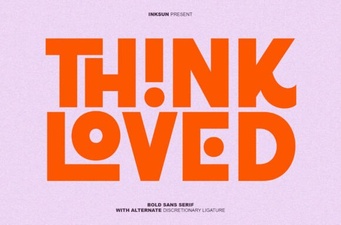 Thinking Loved Font: a Creative Design Guide
 Design & Apply Custom Rainbow Font Styles
 Designing with Ethereal Fonts: Elegant & User-Friendly Projects